 Written by: Dr. Tuba Çelebi Kayhan, Dermatologist
Published:
Short answer
Skin care in Denizli at our clinic is medical skin care supervised by a dermatologist, using methods chosen for your skin type and concern. We plan treatments such as Aquapeel deep cleansing, chemical peels, mesolift, Paris Glow and skin boosters, on their own or combined. Your skin care in Denizli is planned by Dr. Tuba Çelebi Kayhan.
At a glance
| Starting point | An analysis of your skin type and concern (examination) |
|---|---|
| Types of treatment | Deep cleansing, peels, nourishing injections, hydration support |
| Session length | Varies with the method; most treatments are done the same day |
| Back to daily life | The same day after most treatments |
| Planned by | Dr. Tuba Çelebi Kayhan |
The same treatment does not give everyone the same result. Oily skin with blocked pores benefits from deep cleansing, dry and tight skin from hydration, and dull skin from resurfacing. That is why, for every patient who comes to our clinic for skin care in Denizli, we start by getting to know the skin.
What Is Medical Skin Care?
Medical skin care is care carried out with methods chosen for your skin type and concern after an examination by a dermatologist. In a classic facial, the skin is softened under steam and cleared of blackheads and oil build-up. In medical skin care, steps such as cleansing, resurfacing and nourishing the deeper skin are combined according to what your skin needs.
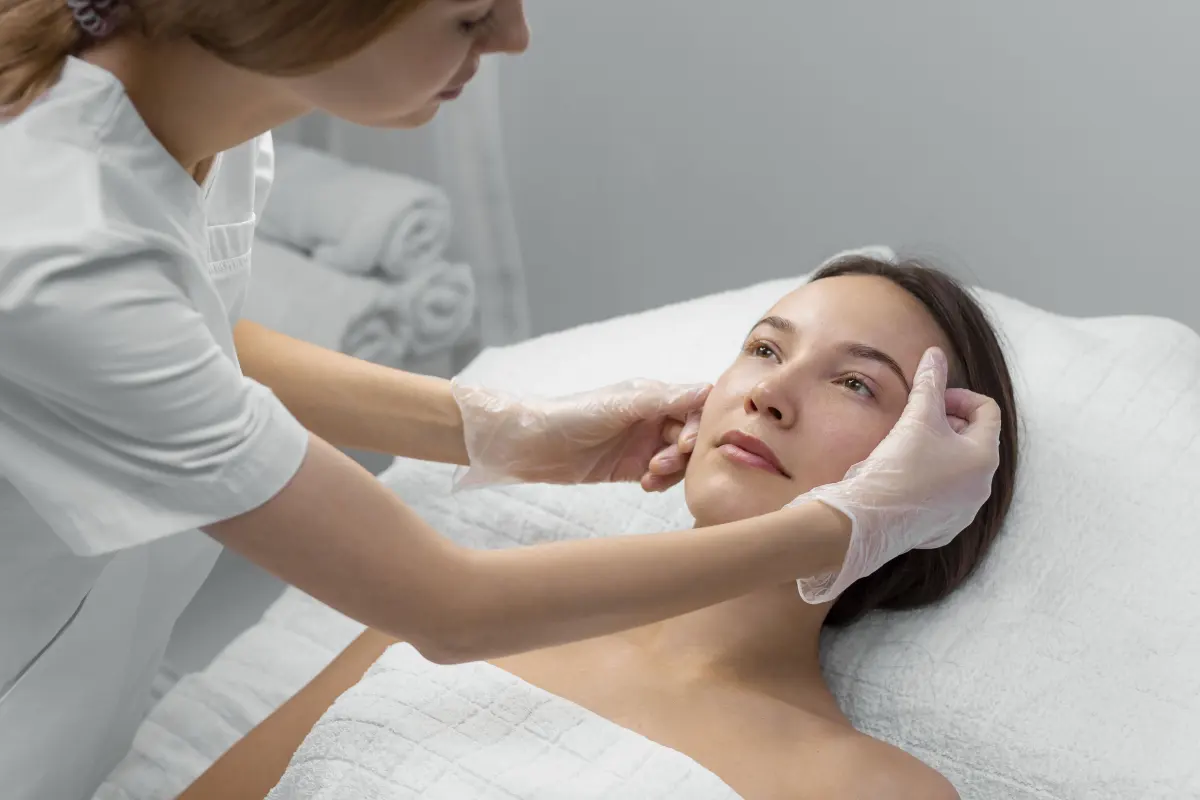
What makes the difference is the doctor's assessment. If there is a hormonal cause behind spots, rosacea behind redness or eczema behind dryness, skin care alone is not enough; treatment is added to the plan as well.
Which Skin Care Suits Your Skin Type?
Oily skin care
In oily skin, pores block easily and blackheads and shine increase. Deep cleansing that clears pores without squeezing, and superficial peels with oil-soluble acids such as salicylic acid, come to the fore for this skin type.
Care for dry and tight skin
In dry skin, the priority is repairing the barrier and restoring moisture. Injections into the skin containing hyaluronic acid, and treatments with moisturising serums, help reduce tightness and flaking.
Skin care for acne-prone skin
For acne-prone skin, skin care is a step that supports treatment. Intensive manual extraction is not done until inflamed spots are under control; otherwise the risk of scars and marks increases.
Care for sensitive skin
For skin that reddens, burns or stings easily, products and methods are chosen with more care. Products with a low acid content and without fragrance or alcohol are preferred, and a test on a small area may come first.
Which Skin Care Treatments Do We Offer?
- Aquapeel: Aquapeel medical skin care uses water pressure and suction and cleanses without squeezing the skin; it is one of our first choices for blocked pores and blackheads.
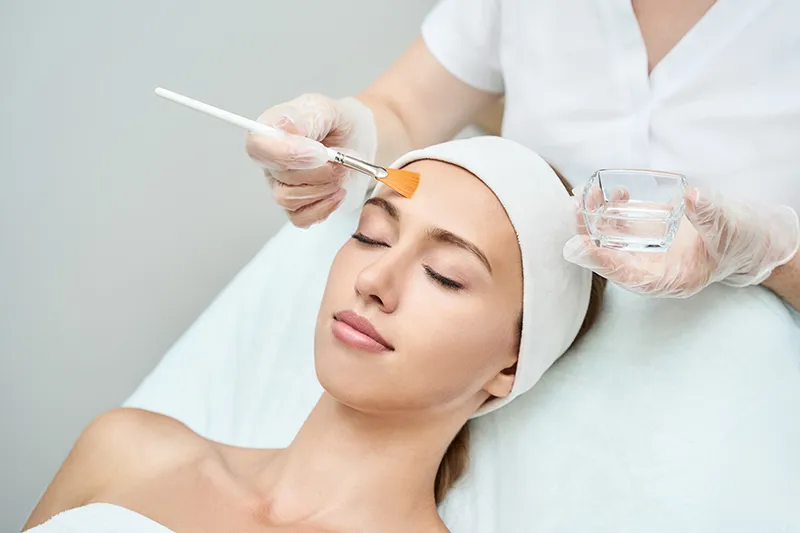
- Chemical peels: resurfacing for dullness, fine lines and pigmentation; the depth of a chemical peel is chosen to suit the skin.
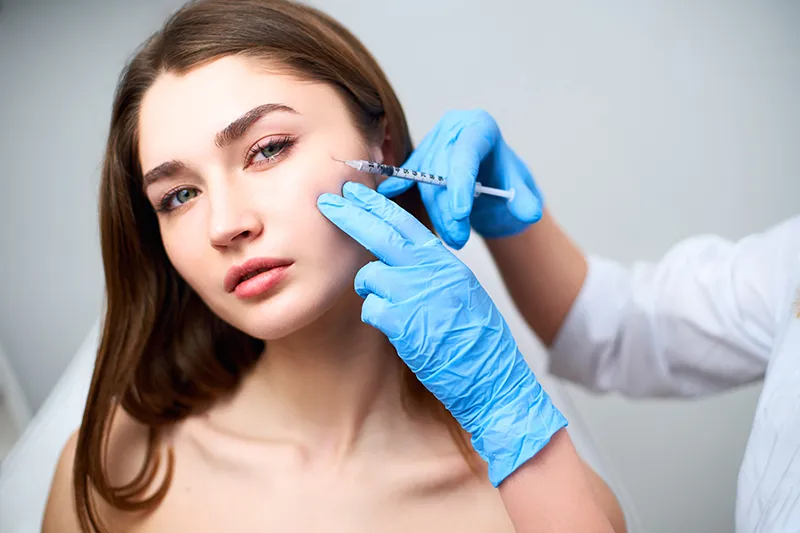
- Mesolift and Paris Glow: nourishing treatments in which blends containing vitamins and hyaluronic acid are delivered into the skin (mesolift, Paris Glow).
- Skin boosters: a hyaluronic acid treatment aimed at increasing the skin's moisture and radiance.
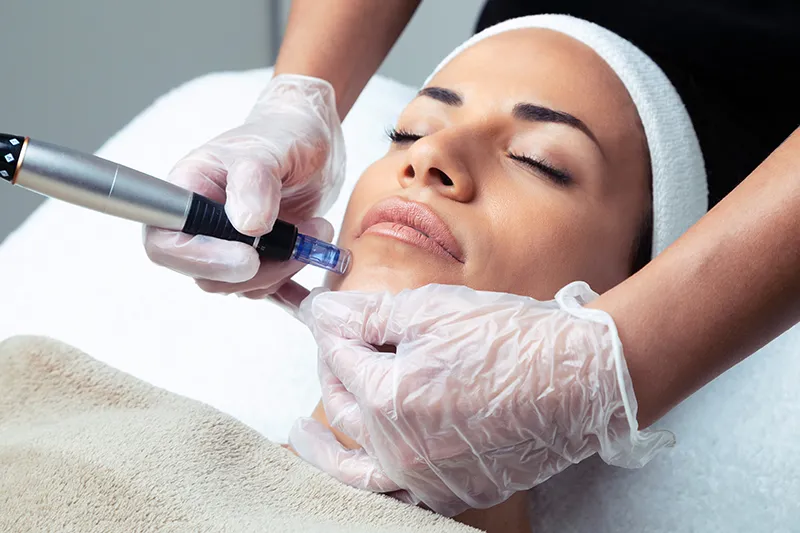
- Dermapen and carbon peel: microneedling for pores and uneven texture, and carbon peel with Q-switched laser for oiliness.
How Does a Medical Skin Care Session in Denizli Work?
- Examination: we assess your skin type, the products you use and your concern.
- Planning: together we decide whether a single treatment or a programme combining several methods suits you.
- Treatment: the chosen method is carried out; most treatments are completed the same day.
- Aftercare advice: we talk about the cleanser, moisturiser and sunscreen you will use at home.
How Often Should You Have a Facial?
The top layer of the skin renews itself regularly, and how often treatments are planned depends on this cycle and on how your skin responds. For oily skin, deep cleansing can be done every few weeks, and less often for dry and normal skin. Peels and injections into the skin, on the other hand, are planned as courses repeated at set intervals. Frequent and unnecessary treatment can weaken the skin barrier, so we set the interval to suit your skin.
What Should I Do After a Skin Care Treatment?
- On the first day, avoid heavy make-up, saunas and steam rooms.
- After a peel, do not pick at flaking skin, and use moisturiser often.
- Apply sunscreen every day, in cloudy weather too.
- Take a few days' break from acid products and exfoliating mitts.
What Should a Home Skin Care Routine Look Like?
Your routine at home maintains the effect of the treatment at the clinic. A gentle cleanser suited to your skin type morning and evening, followed by a moisturiser, and a broad-spectrum sunscreen in the morning are the basic steps. For skin with pigmentation, acne or signs of ageing, a product with an active ingredient can be added to this routine; we tell you which one suits you at your examination.

Why Do Blackheads and Large Pores Keep Coming Back?
A blackhead is oil and dead cells that collect at the opening of a pore and darken on contact with air. Because the oil glands keep working, pores can fill up again a few weeks after deep cleansing. That is why, alongside regular treatment, home-use products that balance oil and keep the pores clear also matter. The size of the pores, however, depends largely on the structure of your skin; treatment helps the pores look less noticeable but does not change that structure completely.
Does Skin Care Change With the Seasons?
It does. In summer, oiliness and sweating increase and the risk of sun-related pigmentation rises; lightweight products and frequently reapplied sunscreen come first at this time. In winter, cold air and central heating dry the skin out, and hydration-focused care takes priority. Wherever possible, we plan treatments that increase sensitivity to the sun, such as deep peels and pigmentation treatment, for the months when the sun is weaker.
Is Skin Care Different for Men?
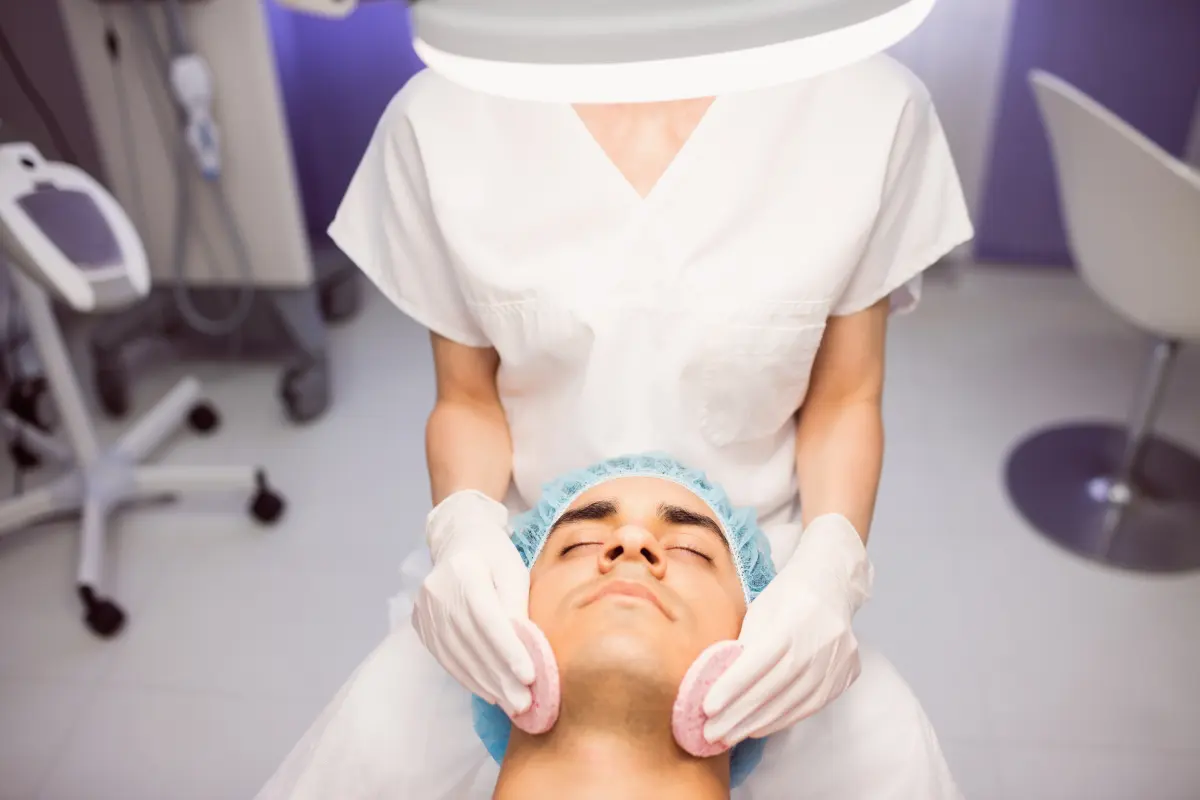
Men's skin is usually thicker and oilier, and the pores can be more visible. Shaving can cause irritation of the skin surface and ingrown hairs. For men we plan skin care around oil balance, irritation after shaving and ingrown hairs, and we suggest keeping shaving days and treatment days apart.
Who Should Not Have Skin Care Treatments?
- Anyone with an active cold sore, infection or open wound in the treatment area
- Anyone who is taking or has recently taken isotretinoin (for peels and manual extraction)
- Skin with fresh sunburn
- During pregnancy: treatments involving needles and some acid solutions
Why Does Dermatologist Supervision Matter in Skin Care?
Not every spot, patch of redness or mark clears with skin care. Rosacea can get worse with intense heat and steam, a fungal infection can spread with the wrong product, and some pigmentation can darken after the wrong peel. A dermatologist can tell these conditions apart and adjust the treatment accordingly.
Skin Care in Denizli: What Should You Look For?
- Is your skin assessed by a doctor before treatment?
- Are the contents of the products and solutions to be used explained to you?
- Is a different method suggested for your skin type, or does everyone get the same treatment?
- If there is a problem, is there a doctor you can reach?
At our clinic, the skin care plan is made and followed up by our dermatologist, Dr. Tuba Çelebi Kayhan.
Skin Care Prices in Denizli 2026
Skin care prices depend on the method and programme. The main factors that affect the price are:
- The method chosen (deep cleansing, peel, injections into the skin)
- Whether it is planned as a single session or a course
- Whether more than one method is combined in the same programme
- The products and solutions used
We confirm the treatment and price that suit you after your examination. For initial information, get in touch by phone.
Common Myths About Skin Care
"The more often you have treatments, the better"
Cleansing and peels done more often than needed weaken the skin's protective barrier; dryness, redness and sensitivity increase.
"Blackheads should be squeezed out"
Squeezing by hand increases the risk of inflammation, scars and marks. Pores are cleared more safely with methods that work without squeezing.
"Oily skin doesn't need moisturiser"
Oily skin loses moisture too. An oil-free moisturiser that does not block pores helps keep the oil balance.