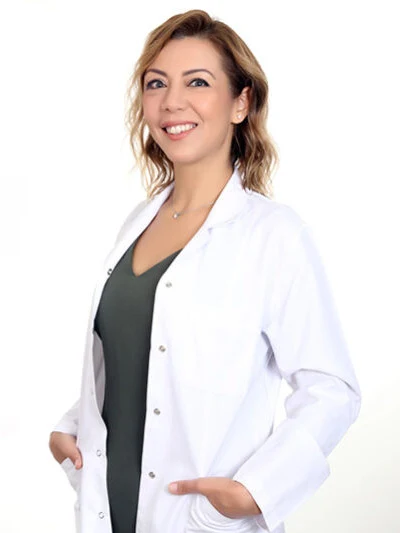
 Written by: Spec. Dr. Tuba Çelebi Kayhan, Dermatologist
Published:
Short answer
Skin diseases are inflammatory, infectious, allergic or immune-related problems of the skin, hair and nails. Acne, eczema, psoriasis, hives, fungal infections, warts and rosacea are the most familiar. Most are diagnosed at the examination, with dermoscopy, allergy testing or a biopsy added when needed, and treatment is planned by type. In Denizli, Spec. Dr. Tuba Çelebi Kayhan examines you.
At a glance
| Scope | Skin, hair, nails and the lining of the mouth |
|---|---|
| Diagnostic tools | Examination, dermoscopy, allergy testing, biopsy |
| Forms of treatment | Topical and oral medicines, cryotherapy, cautery |
| Course of care | Regular check-ups for long-term conditions |
The skin is the largest organ of the body and the first place to show the effects of internal illness, stress, allergies and the environment. Two rashes that look alike can have completely different causes and treatments. That is why putting a name to a rash, rather than trying creams on your own, is half of the treatment.
Which Conditions Does Dermatology Cover?
Dermatology deals with diseases of the skin, hair, nails and the lining of the mouth. At our clinic we diagnose and treat conditions across this field, from acne and eczema to hair loss, and from fungal infections to mole monitoring.
How Is Acne Treated?
Acne develops when a hair follicle and its oil gland become blocked and inflamed. Blackheads and whiteheads, red spots and, in severe forms, deep and painful cysts can appear. Treatment is chosen according to severity: topical medicines for mild acne, and oral antibiotics, hormonal treatment or vitamin A derivative medicines for moderate and severe acne. The marks and dark spots left once acne has healed are a separate treatment topic; methods such as a chemical peel come in at this stage.
What Causes Eczema and How Does It Clear Up?
Eczema (dermatitis) is an inflammatory condition in which the skin becomes itchy, dry and red. Atopic dermatitis usually starts in childhood and is linked to a weak skin barrier. Contact dermatitis, on the other hand, develops in response to a substance that touches the skin. Treatment is built on regular moisturising, avoiding triggers and anti-inflammatory creams during flare-ups. In eczema caused by contact, skin allergy tests such as the patch test can be done to find the cause.
Can Psoriasis Be Treated?
Psoriasis is a long-term condition with well-defined, thick plaques covered in silvery scales on the elbows, knees, scalp and lower back. It cannot be cured completely, but with suitable treatment it can be kept under control for long periods. Topical medicines are used when it is mild, and light therapy and systemic medicines when it is widespread. If joint pain comes with it, we assess it together with rheumatology.
What Causes Hives (Urticaria)?
Hives are itchy, raised red welts that move around the skin within a few hours. They can be triggered by infections, medicines, foods or physical factors such as heat, cold or pressure. Antihistamines are the main treatment. Hives lasting longer than six weeks are considered chronic and need a separate assessment.
If hives come with swelling of the lips or tongue, shortness of breath or difficulty swallowing, go to the emergency department of the nearest hospital.
How Can I Tell If I Have a Fungal Skin Infection?
Fungal infections show up between the toes, in the groin, on the nails and the scalp, and on the body as ring-shaped rashes with scaly edges. The diagnosis is made at the examination and, if needed, by looking at a skin scraping under the microscope. Creams are used for fungal infections of the skin, and oral medicines for infections of the nails and scalp. Telling a fungal infection apart from eczema is important, because steroid creams can make a fungal infection spread.
What Causes Warts and How Are They Treated?
Warts are benign growths caused by the human papillomavirus (HPV) in the top layer of the skin. They can appear on the hands, the soles of the feet and the face, and can spread by contact. Some disappear on their own; for warts that spread, cause pain or bother you, topical medicines or freezing warts with cryotherapy are used. Warts in the genital area need a separate assessment.
What Is Rosacea?
Rosacea is a long-term condition with redness, visible small blood vessels and spot-like bumps on the cheeks, nose and forehead. Sun, hot drinks, alcohol, spicy food and stress can trigger flare-ups. Treatment uses topical and oral medicines, and avoiding triggers is important. For blood vessels that have become prominent, laser treatment for thread veins can be added to the plan.
Can Seborrhoeic Dermatitis and Dandruff Be Treated?
Seborrhoeic dermatitis appears as dandruff on the scalp, and as greasy scaling and redness between the eyebrows and beside the nose. It is long-term and comes and goes; stress and changes of season can make it flare up. Treatment uses antifungal shampoos and creams, with short courses of anti-inflammatory medicines when needed. If the scalp problem comes with hair loss, hair loss treatment is handled within the same plan.
Which Diagnostic Methods Are Used for Skin Diseases?
Most diagnoses are made through a careful examination. When needed, we use these methods:
- Mole monitoring with dermoscopy for moles and suspicious lesions
- Prick and patch tests when an allergy is suspected
- A skin biopsy when the examination does not make the diagnosis clear
- Examination of a skin or nail scraping when a fungal infection is suspected
- Blood tests when a link with an internal illness is suspected
Complaints such as skin pigmentation and excessive sweating are also part of dermatology; for pigmentation treatment and excessive sweating treatment we start with the same examination.
Skin Disease Examinations in Denizli: Your First Visit
At our clinic in Denizli, at the first examination we ask when your complaint started, which medicines and creams you have used before and which skin diseases run in your family, and we examine your whole skin. For long-term conditions we update the treatment at follow-up visits. Coming without cream on the affected area makes the assessment easier. To book an appointment, you can give us a call.
Frequently asked questions
When should I see a dermatologist for spots?
Is psoriasis contagious?
Why do hives appear suddenly?
Do steroid creams damage the skin?
Which doctor should I see in Denizli for eczema treatment?
Sources
- Diseases and conditions A-Z — American Academy of Dermatology
- Hives (urticaria) — NHS
- Topical steroid — DermNet
This page is for general information only and does not replace an examination, diagnosis or treatment. Please consult your doctor for advice about your own situation.