
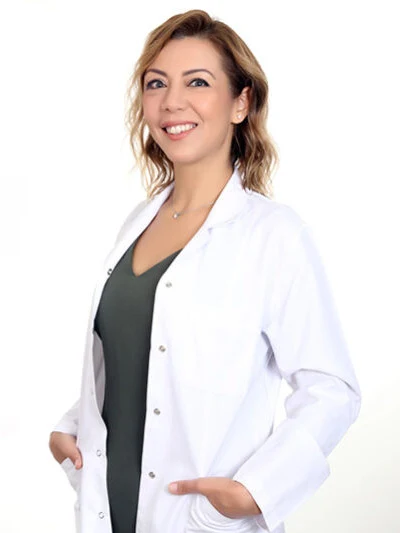
 Written by: Spec. Dr. Tuba Çelebi Kayhan, Dermatologist
Published:
Short answer
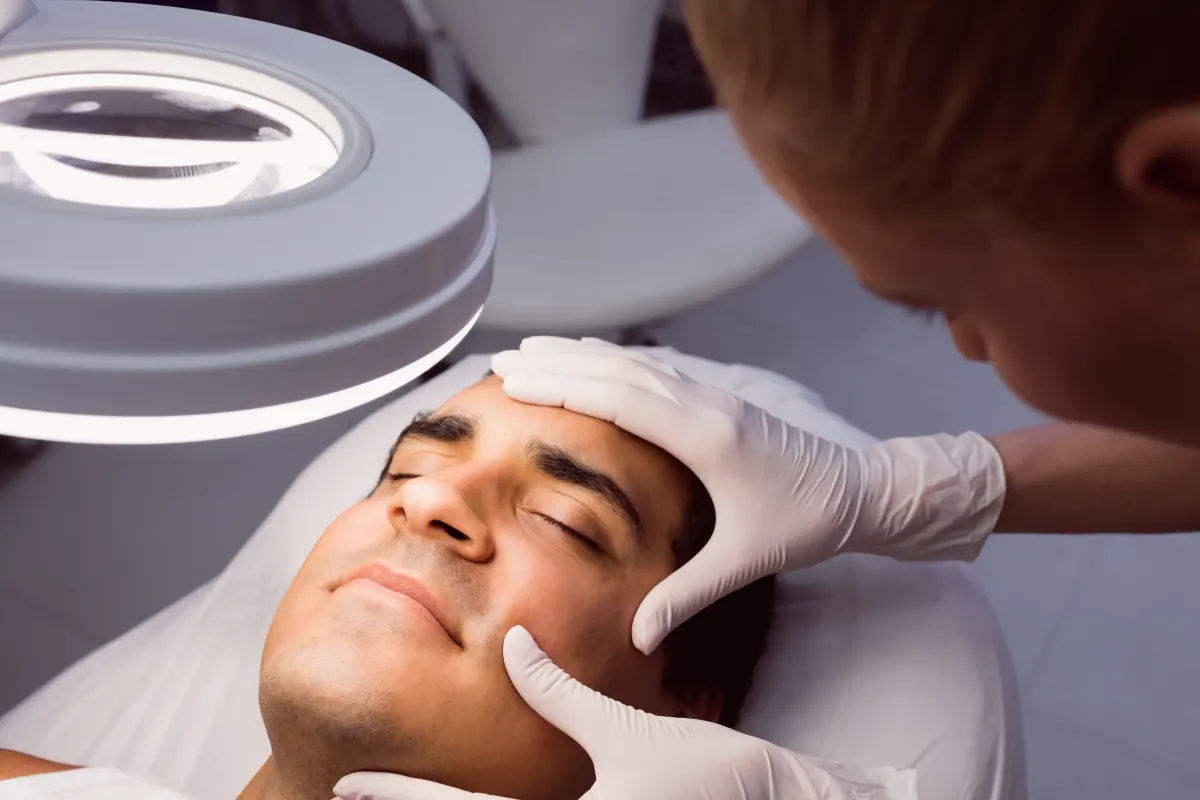
Mole monitoring is the regular examination of your moles by a dermatologist. A dermoscope, a handheld device that gives light and magnification, shows structures the naked eye cannot see. The aim is to catch skin cancers such as melanoma early and to avoid removing moles unnecessarily. In Denizli, mole checks are carried out by Spec. Dr. Tuba Çelebi Kayhan.
At a glance
| Method | Examination under light and magnification with a dermoscope |
|---|---|
| How it is done | No needle or cut; the device touches the skin or is held close to it |
| Preparation | No make-up, nail polish or cream on the areas to be examined |
| Next step | Follow-up or biopsy for a suspicious mole |
Moles form when the cells that give skin its colour gather together, and almost every adult has some. Most stay harmless for life. The value of mole monitoring lies in spotting, in good time, the small number of moles that do change.
What Is Dermoscopy?
Dermoscopy is a way of examining moles under light and magnification. The dermoscope reduces the glare from the surface of the skin and reveals how colour is spread within the mole, the shape of its edges and the patterns inside it. Two moles that look the same to the naked eye can look very different under the dermoscope.
This method helps to avoid removing harmless moles unnecessarily, and it also helps to make sure that a mole needing attention is not missed.
Which Moles Should Be Checked?
Any of these changes is a good enough reason to show a mole to a dermatologist:
- A mole that changes in size, shape or colour
- A mole that itches, bleeds, crusts over or does not heal like a sore
- A mole that looks clearly different from the other moles on your body (the "ugly duckling" sign)
- A mole that appears for the first time in adulthood and keeps growing
What Is the ABCDE Rule for Moles?
The ABCDE rule reminds you of five features to look out for when you check your moles at home:
- A, asymmetry: the two halves of the mole do not match.
- B, border: the edges are irregular, notched or blurred.
- C, colour: the mole contains different shades of brown, or black, red or blue areas.
- D, diameter: the mole is larger than 6 millimetres.
- E, evolving: the mole grows or changes shape or colour over time.
Having one of these features does not mean that a mole is cancerous; it only shows that it needs to be examined.
How Is a Mole Examination Carried Out?
At the examination we first ask how many moles you have, whether anyone in your family has had skin cancer and how much sun you tend to get. We then examine your skin from head to toe and look at the moles that need attention with the dermoscope. Areas you cannot see yourself, such as the scalp, under the nails and the soles of the feet, are part of the examination too.
Coming without make-up or nail polish, and without cream on your body, makes the assessment easier.
What Happens If Dermoscopy Shows a Suspicious Mole?
Depending on the findings, there are two paths. For a mole that is unlikely to change but should be watched, a repeat check is planned at a set interval. A mole that looks suspicious is removed and sent for pathology. Examining the removed tissue under the microscope gives the definitive diagnosis.
Who Needs Mole Monitoring Most?
Regular follow-up is especially important for some people:
- People with a large number of moles on their body
- People with a first-degree relative who has had melanoma
- People with fair skin that burns easily and freckles
- People who have had frequent sunburn in the past
- People who have already been diagnosed with skin cancer
How Can I Check My Moles at Home?
Once a month, examine your skin from head to toe in a well-lit room with a full-length mirror and a hand mirror. For areas you cannot see yourself, such as your back, the nape of your neck and your scalp, you can ask someone close to you for help. Taking photos of moles that catch your eye on your phone and noting the date makes it easier to notice a change the next time you look.
Comparing photos does not replace an examination, but when you come for your mole check it helps you explain which mole changed and when.
Is It Harmful to Have a Mole Removed?
Removing a mole does not make it turn bad. This is a common worry; removing and examining a suspicious mole is what confirms the diagnosis. A small scar may remain where the mole was taken. The size of the scar depends on the size of the mole, where it is on the body and the method used.
Should Moles in Children Be Monitored?
During childhood and adolescence it is normal for new moles to appear and for moles to grow along with the body. Large moles present from birth, however, are a group that needs separate monitoring. If you see bleeding, a rapid change of colour or a clear difference from the surrounding moles in one of your child's moles, simply bring them in for an examination.
How Should I Protect My Moles from the Sun?
Staying in the shade when the sun is strongest, wearing a hat and suitable clothing, and applying a broad-spectrum sunscreen to exposed skin protect your moles and your skin. Avoiding sunbeds is another measure that lowers the risk of skin cancer.
Mole Checks and Dermoscopy in Denizli: Your Assessment
At our clinic in Denizli, mole examinations and dermoscopy are carried out by our dermatologist. At the first visit we examine your whole skin and set the follow-up interval that suits you. If one of your moles has changed, you can call us to book an appointment.
Frequently asked questions
Does a dermoscopy examination hurt?
Do all moles need to be removed?
What should I do if a mole itches or bleeds?
How often should I come for a mole check?
Which doctor should I see in Denizli to have my moles checked?
Sources
- Moles: Overview — American Academy of Dermatology
- Melanoma skin cancer: Symptoms — NHS
This page is for general information only and does not replace an examination, diagnosis or treatment. Please consult your doctor for advice about your own situation.