 Written by: Spec. Dr. Tuba Çelebi Kayhan, Dermatologist
Published:
Short answer
Hair loss treatment in Denizli starts with finding the cause: a dermatologist examines the scalp, magnifies the roots with trichoscopy and requests blood tests if needed. Medicines, scalp treatments and follow-up are then planned by type: male or female pattern loss, shedding after stress or childbirth, or alopecia areata. Spec. Dr. Tuba Çelebi Kayhan sees patients in Denizli.
At a glance
| First step | History, scalp examination and trichoscopy |
|---|---|
| Further tests | Blood tests if needed, rarely a scalp biopsy |
| What to expect | With medicines, the effect is judged over months |
| Supporting methods | Hair mesotherapy or PRP for suitable patients |
| Examined by | Spec. Dr. Tuba Çelebi Kayhan |
Hair loss is not a single condition; behind the same complaint there may be genetics, hormones, a past illness, a nutritional deficiency or the immune system. At our clinic in Denizli we do not start treatment by writing a prescription, but by working out which type of hair loss you have. Getting this right saves you money and time on products and treatments you do not need.
What Are the Causes of Hair Loss?
The causes of hair loss fall into two main groups: the hair root gradually becoming finer, and the hair suddenly entering the shedding phase because of a trigger. The main causes are:
- Male and female pattern hair loss, which develops through inherited tendency and the effect of hormones
- Shedding after an illness with high fever, surgery, childbirth, severe stress or rapid weight loss
- Iron deficiency, or an underactive or overactive thyroid gland
- Certain medicines and chemotherapy
- Immune-related conditions such as alopecia areata
- Tight braids, ponytails, hair extensions and other styles that pull on the hair constantly
- Skin conditions such as a fungal infection of the scalp, psoriasis and seborrhoeic dermatitis
More than one cause can be present in the same person. For example, in someone with genetic thinning, shedding after childbirth can suddenly make the picture much worse.
Is It Shedding, Breakage or Thinning?
What our patients describe as "hair loss" can correspond to three different pictures. With shedding, the hair falls from the root with a small white bulb at its end. With breakage, the strand snaps in the middle; frequent colouring, bleaching, straightening and heat are the main causes. With thinning, the hairline recedes or the parting widens without any obvious shedding. We tell these apart at your examination, because each is treated differently.

How Is Male Pattern Hair Loss Treated?
Male pattern hair loss (androgenetic alopecia) is the hair follicles becoming a little finer with each cycle, through inherited tendency and the effect of the male hormone. It begins with recession at the temples and thinning on the crown. Treatment started before the hair root has disappeared completely gives a better result.
The mainstays of treatment are minoxidil applied to the scalp and, for suitable men, tablets that reduce the effect of the hormone on the hair root. The side effects of these medicines, and who they are not suitable for, are discussed before they are prescribed. Scalp treatments can be added to the plan as support.
Can early hair loss in young men be treated?
Yes. When hair loss begins in your twenties, it is possible to protect roots that are getting finer but are still there. In this age group, follow-up with regular photographs lets us see how fast it is progressing.
What Causes Hair Loss in Women?
Hair loss in women most often takes two forms: widespread thinning on the crown and along the parting, and increased shedding across the whole scalp after a trigger. In female pattern thinning, the front hairline is usually preserved, while the parting widens over the years.
At the assessment we ask about your periods, pregnancy and childbirth, the menopause, eating habits and the medicines you take. If irregular periods, acne and increased body hair occur together, we also look at your hormone balance. Treatment consists of minoxidil, hormonal medicines where appropriate, correcting any deficiencies and scalp treatments.
Does hair loss increase during the menopause?
It can. Hormonal change can make female pattern thinning more noticeable. During this time, thyroid and iron levels are also reviewed.
Does Hair Loss After Stress or Childbirth Go Away?
This type of shedding is called telogen effluvium. An illness, childbirth, surgery or major stress pushes a proportion of the hair roots into the resting phase at the same time. The shedding starts 2-3 months after the trigger, which is why people often do not connect it with what happened back then.
Once the trigger has gone, the hair usually recovers within 6-9 months. Our job here is to look for anything that prolongs the shedding, such as a deficiency or a hormonal problem, and not to miss any underlying genetic thinning.
Is seasonal hair shedding real?
Some people notice their shedding increases a little in autumn. This short-lived increase, which does not reduce density, needs no treatment; if it lasts more than a few months, simply come in for an examination.
What Is Alopecia Areata, and Can It Be Treated?
Alopecia areata is the formation of round, flat, smooth bald patches on the scalp, beard or eyebrows when the immune system targets the hair root. Because the hair root is not destroyed, the hair has the potential to grow back. A small, single patch can clear on its own; cases that spread or keep coming back need treatment and follow-up.
Treatment for alopecia areata is chosen according to the size of the area and your age: options include corticosteroid injections into the patch, corticosteroid creams or lotions and, when large areas are affected, medicines taken by mouth. People with alopecia areata are also checked for related immune conditions such as thyroid disease.
Can children get alopecia areata?
Yes. In children, treatment is chosen more cautiously and it is important that the family keeps up with follow-up visits. When we see a round bald patch in a child, we always rule out a fungal infection of the scalp as well.
Can Scalp Conditions Cause Hair Loss?
They can. Seborrhoeic dermatitis with dandruff and itching, scalp psoriasis and, especially in children, scalp fungal infections can lead to shedding or breakage. In these cases treatment targets the scalp itself; once the skin heals, the hair loss also eases. If you also have a rash elsewhere on your body, the diagnosis and treatment of skin conditions can be covered at the same visit.
Which Hair Conditions Cause Permanent Hair Loss?
In some hair conditions, inflammation destroys the hair root and leaves scar tissue in its place. In this group, called scarring (cicatricial) alopecia, the hair in the lost area does not come back; the aim of treatment is to stop it progressing. Itching, burning, redness around the roots and shiny bald patches without visible follicle openings are signs of this condition. Early diagnosis is the only way to protect the remaining hair.
Which Tests Are Needed for Hair Loss?
Tests are chosen according to your history and examination findings; not every patient is given the same list. When we suspect telogen effluvium or female pattern thinning, iron stores, thyroid hormones and a full blood count are the values we check most often. If a hormonal imbalance is suspected, hormone tests are added. If the examination does not make the diagnosis clear, particularly when scarring alopecia is suspected, a small skin biopsy is taken from the scalp for pathology.
How Is a Hair Examination With Trichoscopy Done?
Trichoscopy is the magnified examination of the scalp and hair roots with a dermatoscope. It is the version for the scalp of the dermoscopy examination we use for moles. The proportion of thinned hairs, redness or scaling around the roots, and the broken hairs typical of alopecia areata can all be seen with trichoscopy. It involves no needles and does not require cutting your hair.
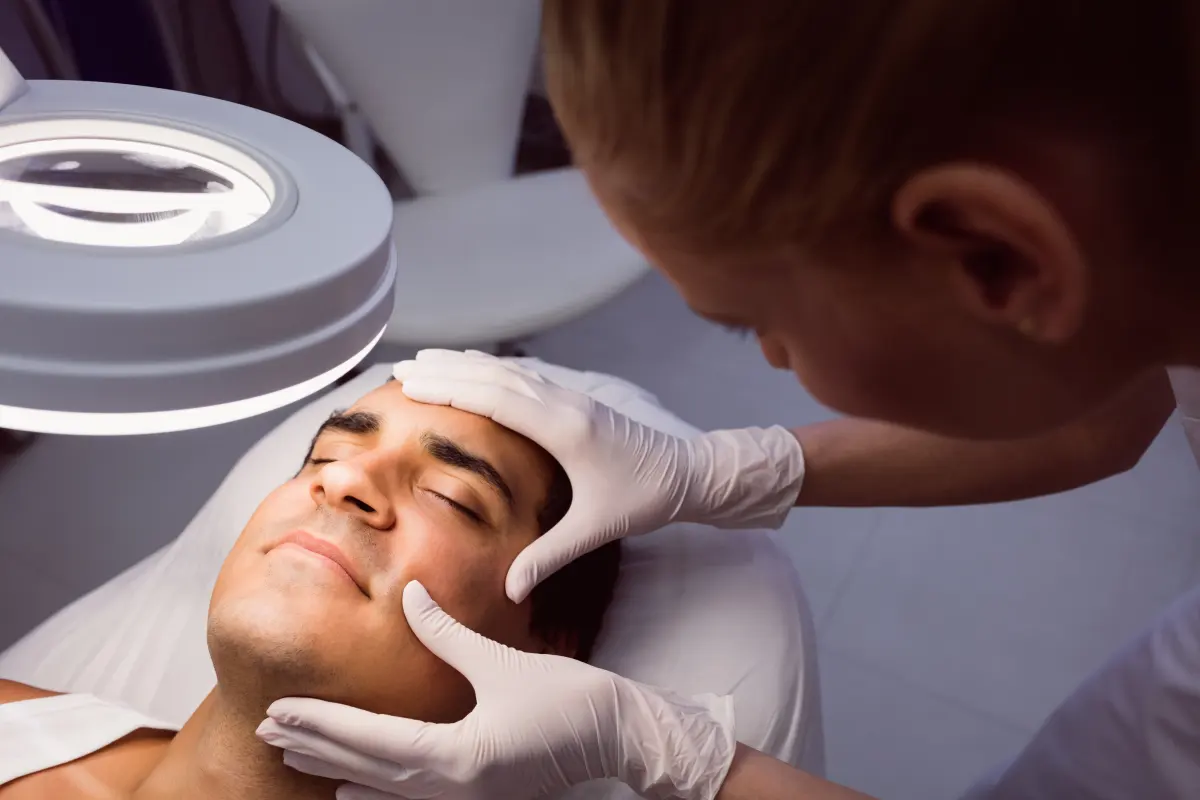
At the examination we also do a gentle pull test to see whether there is active shedding. Not washing your hair just before the examination makes this test more meaningful.
Who Are Hair Mesotherapy and PRP For?
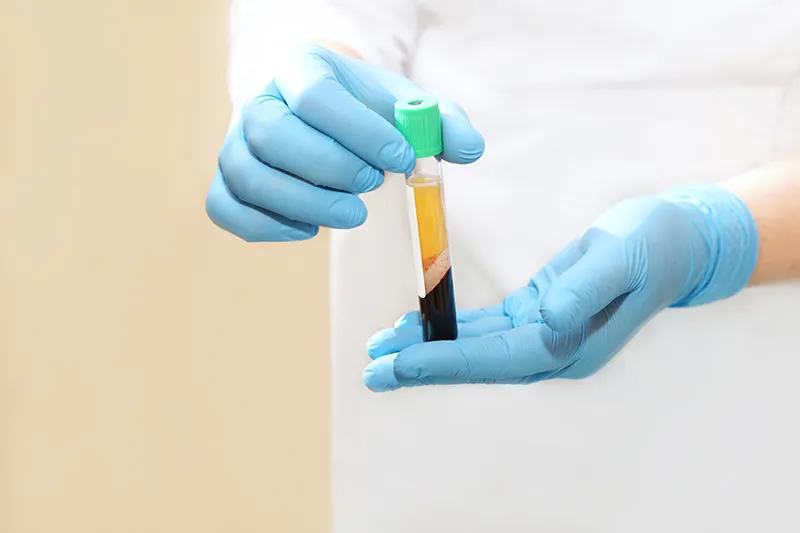
These two methods are scalp treatments that support medical treatment in diagnosed hair loss; on their own they do not remove the cause. Hair mesotherapy involves delivering blends containing vitamins, minerals and amino acids into the scalp with fine needles. In PRP treatment, platelet-rich plasma separated from your own blood is applied to the scalp. We decide which one to use, with how many sessions and at what interval, based on your examination findings.
How Long Does Hair Loss Treatment Take?
Hair grows slowly, so the effect of treatment is seen over months rather than weeks. For this reason we compare results at set intervals with photographs taken in the same light and from the same angle. With genetic hair loss, treatment is long-term follow-up; with telogen effluvium and alopecia areata, the length depends on the trigger and the response.
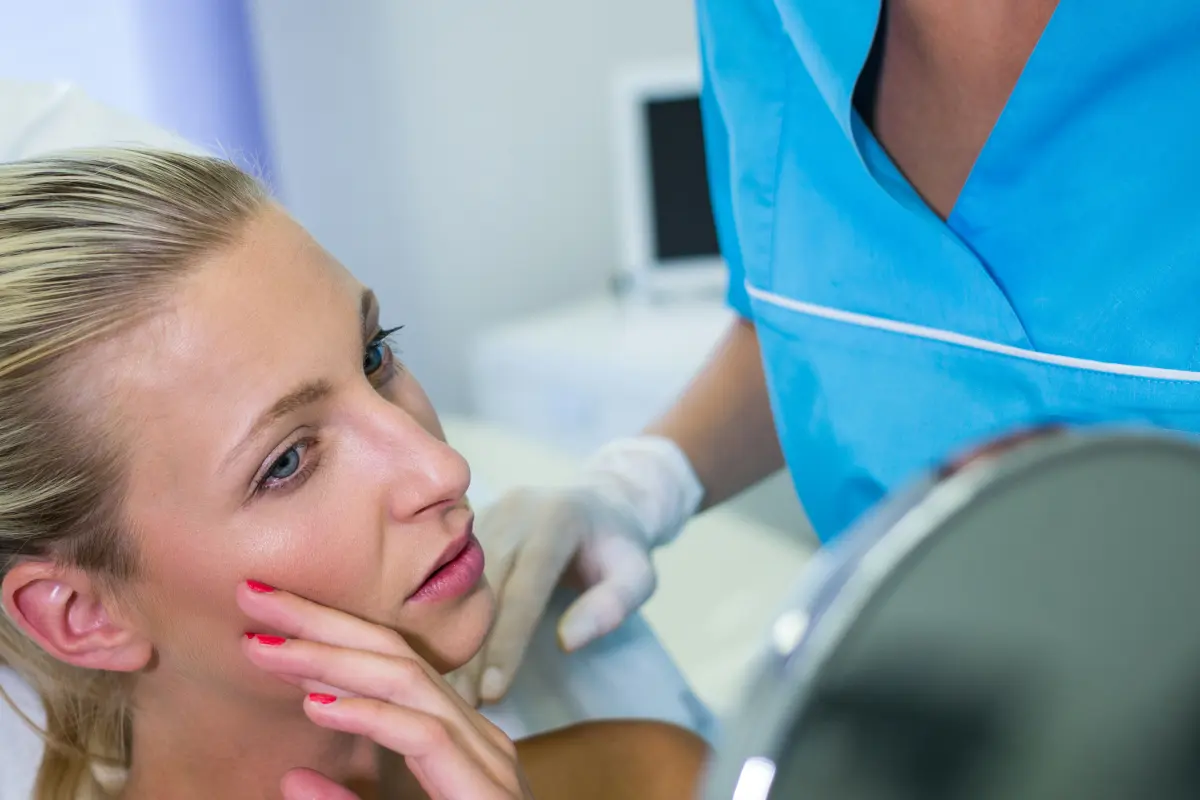
- First visit: history, examination, trichoscopy and tests if needed
- Treatment plan: medicines, how to use them and scalp treatments if needed
- First follow-up: the course of the shedding and how well you are keeping to the medicines
- Later follow-ups: comparing photographs and updating the plan
What Can I Do at Home About Hair Loss?
- Take a break from braids and styles that keep your hair under tension.
- Cut down on heat styling and chemical treatments.
- Avoid rapid, unbalanced diets and make sure you get enough protein.
- Do not take high-dose vitamin supplements without a doctor's advice.
- Choose your shampoo according to your scalp type; shampoo alone does not treat the hair root.
Hair Loss in Denizli: Which Doctor Should You See?
Conditions of the hair and scalp are the field of dermatology. When you are looking for a hair loss doctor in Denizli, we suggest checking the following:
- Is the assessment done by a dermatologist?
- Before treatment, is the type of hair loss discussed and is the scalp examined?
- Are you told why the recommended treatments were chosen and how long they will take?
- Are results compared with photographs at follow-up visits?
At our clinic the examination, treatment plan and follow-up visits are carried out by Spec. Dr. Tuba Çelebi Kayhan. We record your treatments and follow-up photographs in your file, and update the plan from this record at every visit.
Hair Loss Treatment Prices in Denizli 2026
The cost of hair loss treatment depends on the type of hair loss and the method chosen. The main factors that affect the price are:
- Whether tests or a biopsy are needed for the diagnosis
- Whether treatment is with medicines alone or with scalp treatments as well
- The number of sessions, if hair mesotherapy or PRP is planned
- The length of follow-up and how often you are seen
After your examination we discuss the plan that suits you and what it will cost. For initial information, you can reach us by phone.
How Should I Prepare for a Hair Loss Examination?
- Note when the hair loss started and any illness, childbirth or surgery you have had in the past year.
- Bring a list of the medicines and supplements you take.
- If you have recent blood test results, bring them with you.
- On the day, come without washing your hair and without products on your scalp.
- If you have older photographs, they are useful for showing the change.
Common Misconceptions About Hair Loss
"Washing your hair often makes it fall out"
The hair that falls out when you wash is hair already in the shedding phase. Washing less often does not reduce shedding; it only lets the hair build up.
"Shaving your head makes the hair grow back thicker"
Shaving does not change the hair root. New hair looks thicker only because the cut end is blunt.
"Baldness only comes from your mother's side"
In male pattern hair loss, the tendency can come from both your mother's and your father's side.