 Written by: Spec. Dr. Tuba Çelebi Kayhan, Dermatologist
Published:
Short answer
Pigmentation treatment in Denizli is a dermatological plan that aims to reduce excess pigment in the skin (hyperpigmentation) according to its type. Melasma, sun spots, freckles and marks after acne respond to different methods, so the plan may include lightening creams, Cosmelan, chemical peels, laser or light treatment. Spec. Dr. Tuba Çelebi Kayhan plans each treatment in Denizli.
At a glance
| First step | A dermatology examination to identify the type and depth of the pigmentation |
|---|---|
| Types of pigmentation | Melasma, sun spots and freckles, marks left after acne or wounds |
| Cosmelan mask | Stays on the skin for 8-12 hours; maintenance cream for 6 months |
| When fading starts | About 1 week after Cosmelan, full effect at 4-6 weeks |
| The one rule | Daily sunscreen, summer and winter |
Looking for one method that will erase every dark spot is an understandable wish, but two different types of pigmentation can sit side by side on the same face, and a method that helps one can darken the other. That is why, at our clinic in Denizli, pigmentation treatment starts not with a device but with an examination that puts a name to the spot.
Why Is the Type of Pigmentation Identified First in Denizli?
The type of pigmentation changes both the method and the length of treatment. A sun spot lies on the surface and has clear borders; it may respond well to a single laser or light session. Melasma, on the other hand, sits deeper and is triggered by hormones and sunlight; a procedure using the wrong energy can make it worse. With marks left after acne, the acne itself needs to be brought under control first.
What Causes Dark Spots on the Face?
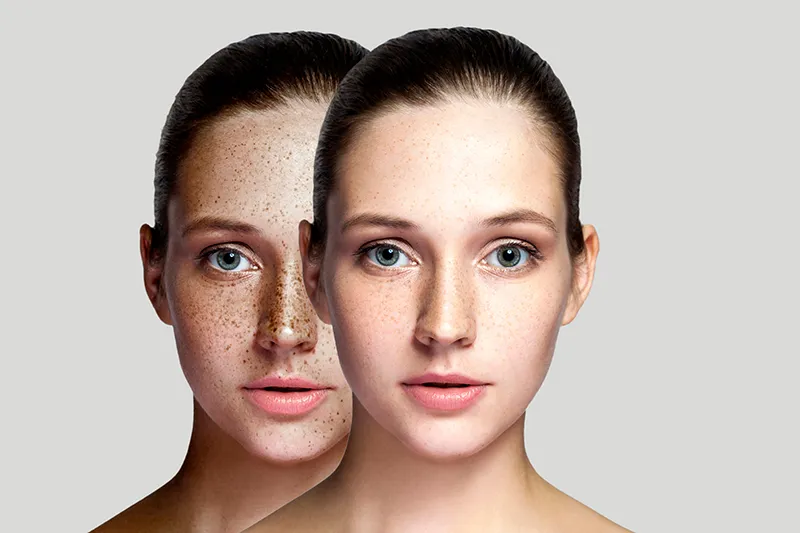
Dark spots on the face form when melanin, the pigment that gives skin its colour, is overproduced in one area. In medicine this is called hyperpigmentation. The main types are:
- Freckles and sun spots caused by sunlight (ephelides, lentigines)
- Melasma, also known as hormonal pigmentation or the mask of pregnancy
- Marks left after acne, wounds, burns, surgery or laser (post-inflammatory hyperpigmentation)
- Pigmentation linked to certain skin conditions
- Birthmarks
What Is the Difference Between Sun Spots and Freckles?
Freckles are small, light brown dots that start in childhood, darken in summer and fade in winter. Sun spots are larger marks that appear on the face, the backs of the hands and the chest after years of sun exposure, and they do not fade with the seasons.
Which methods are used for sun spot treatment?
For sun spots with clear borders we consider Q-switched laser, which targets pigment, or BBL light treatment. If the spots are widespread and superficial, a chemical peel may also be part of the plan.
Why Does Melasma Treatment Take Patience?
Melasma is brown or greyish pigmentation that appears symmetrically on the cheeks, forehead and upper lip. Hormones, pregnancy, the contraceptive pill, sunlight and heat all trigger it. As long as these triggers continue, the pigmentation tends to come back even after it has faded.
So for melasma treatment we rely not on a single procedure but on a plan spread over months: lightening creams, Cosmelan enzyme peel for suitable patients, strict sun protection and supporting treatments when needed.
Does pregnancy pigmentation go away on its own after the birth?
Melasma that appears in pregnancy can fade to some extent in the months after the birth. Where it does not fade, or darkens every summer, we wait until breastfeeding has finished and then plan treatment.
How Do Marks Left After Acne and Wounds Fade?
The brown marks left after acne, a wound or irritation come from healing tissue producing too much pigment. They tend to fade over time, but as long as the acne continues, new ones are added. We first bring the acne under control, then speed up the process with lightening creams and peels.
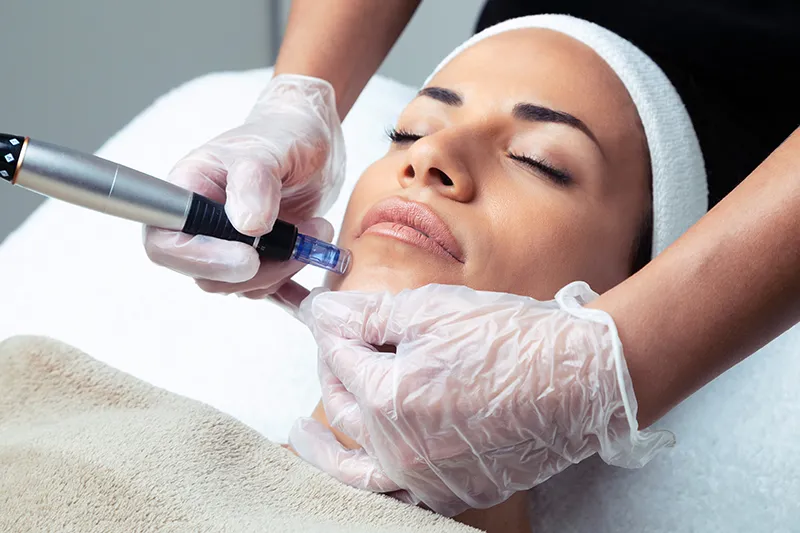
Pitted scars are loss of tissue rather than pigmentation; for these we consider resurfacing methods such as microneedling with Dermapen.
What Happens at a Pigmentation Examination?
- We ask when the pigmentation started, whether it darkens in summer, and about pregnancy and medicines.
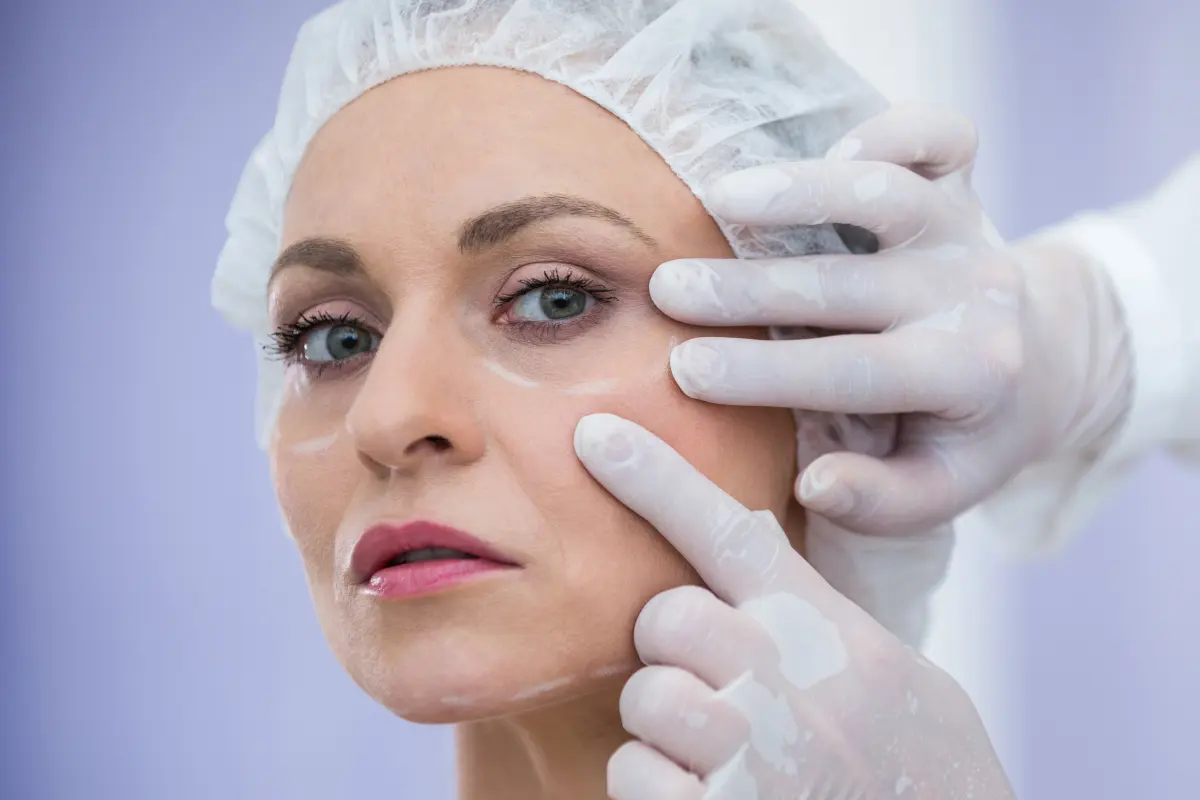
- The spot is examined in daylight and under magnification; a special light may be used to judge its depth.
- Dark and irregular-looking lesions are examined with a dermatoscope.
- We talk about the creams and sunscreen you use.
- A treatment plan is made according to the type of pigmentation, your skin colour and the season.
Not every dark area that looks like pigmentation is harmless. Before treatment, we check any lesion that has changed in shape, colour or size with a mole check using dermoscopy.
What Are the Options for Pigmentation Treatment?
At our clinic we use one or more of these methods together, depending on the type of pigmentation:
- Lightening creams: the basis of every plan, continued between procedures as well.
- Cosmelan and Dermamelan enzyme peels: the mask system we prefer especially for melasma.
- Chemical peels: renew the top layer of the skin in superficial and widespread pigmentation.
- Laser and light treatments: target the pigment in sun spots with clear borders.
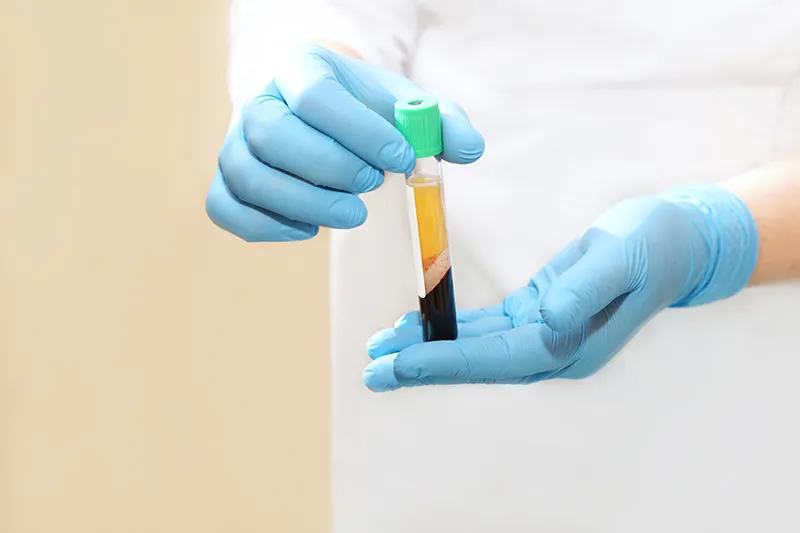
- Mesotherapy and PRP: supporting treatments that help skin quality.
How Is the Cosmelan Enzyme Peel Applied?
Cosmelan is a lightening system that reduces melanin production by suppressing tyrosinase, the enzyme that darkens skin colour. It contains azelaic acid, kojic acid, phytic acid, ascorbic acid, salicylic acid, glycolic acid and arbutin. It also slows the mechanism that forms new pigmentation.
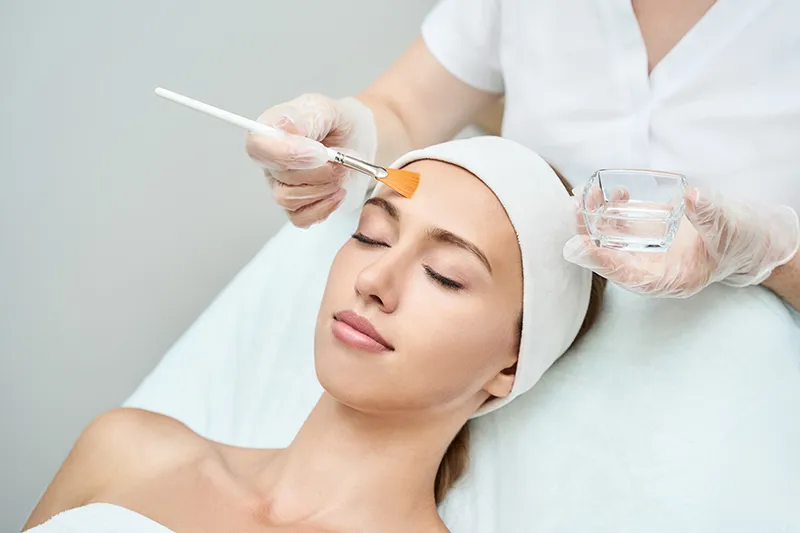
The system comes as a personal pack: the mask, a maintenance cream, a repair cream and a high-factor sunscreen. Our doctor applies the mask over the whole problem area, with more where the pigmentation is densest. Depending on your skin and the depth of the pigmentation, the mask stays on your face for 8-12 hours and is then washed off with lukewarm water.
How long is the maintenance cream used after Cosmelan?
Using the maintenance cream regularly for about 6 months is essential to keep the result. You also apply the repair cream and sunscreen during the day, following the routine we give you.
What happens to the skin after Cosmelan?
Mild redness is expected. In sensitive skin there may also be itching, burning, swelling and flaking. These ease with the repair cream and pass within 2-7 days.
When Are the Results of Cosmelan Visible?
The pigmentation starts to fade about 1 week after the mask. After 2-3 weeks the skin looks brighter and more rested. We assess the final degree of fading at 4-6 weeks. The result varies from person to person with the depth of the pigmentation and how closely you follow sun protection.
Which Types of Pigmentation Are Laser and Light Treatments Used For?
Lasers that target pigment cells and intense pulsed light systems (IPL, BBL) work on sun spots with clear borders and some freckles. The light is absorbed by the pigment in the spot; the spot darkens for a few days, forms a fine crust and flakes off. With melasma, we use these methods carefully and only in suitable patients.
How Long Does Pigmentation Treatment Take?
With sun spots, clear fading can be seen within a few sessions. With melasma and marks after acne, however, the process is measured in months and needs maintenance treatment. At our clinic we hold the first review a few weeks after treatment begins and update the plan according to how your skin responds.
Does Treated Pigmentation Come Back?
It can. Melasma in particular darkens again with triggers such as sun, heat and hormones. New spots forming where sun spots have faded are also down to unprotected sun exposure. So the day treatment ends is the day protection really begins.

How Should Sunscreen Be Used During Pigmentation Treatment?
You need to apply sunscreen every morning, summer and winter, on cloudy days too, and reapply it about every 2 hours when you are outdoors. A wide-brimmed hat and staying in the shade support the cream. With melasma, tinted sunscreens that also protect against visible light have an advantage.
Do I need sunscreen if I work indoors?
Yes. Sitting by a window and short walks outside are enough to darken pigmentation. With melasma, heat sources such as a hot kitchen, a sauna or a hammam can also be triggers.
Can Pigmentation Be Treated in Summer?
In summer, lightening creams and sun protection continue, but deep peels and laser sessions that make the skin more sensitive are usually planned for autumn and winter. If you are going on holiday in summer, let us choose the timing of your procedure together with that in mind.
What Are the Side Effects of Pigmentation Treatment?
- Temporary redness, burning and flaking after a peel or mask
- Darkening and fine crusting for a few days after laser
- Worsening of the pigmentation if the skin is not protected from the sun or the energy used does not suit the skin type
- Rarely, an eczema-like reaction due to irritation
That is why following the aftercare advice has a direct effect on the result. If you have unexpected burning or weeping of the skin, call us.
Pigmentation Treatment in Denizli: Why Does the Choice of Specialist Matter?
The real work in pigmentation treatment is not operating a device but matching the right method to the right type of pigmentation. A laser used wrongly on melasma can leave it darker than before treatment. At our clinic the examination, choice of method and follow-up visits are carried out by our dermatologist, Spec. Dr. Tuba Çelebi Kayhan, and we keep track of your creams and the order of your procedures in a single plan throughout treatment.
Pigmentation Treatment Prices in Denizli 2026
Pigmentation treatment prices depend on the method chosen and the number of sessions needed. The main factors that affect the price are:
- The type of pigmentation and how widespread it is
- The method used (Cosmelan, chemical peel, laser or light treatment)
- The number of sessions and maintenance treatments needed
- The home-care products used during treatment
We agree on the plan and price that suit you after your examination. For initial information, call our clinic.
Do Home Remedies for Pigmentation Work?
Lemon juice, bicarbonate of soda and high-acid products bought online irritate the skin, and irritation means new pigmentation. With melasma especially, harsh home treatments can deepen the pigmentation. The most effective thing you can do at home is to use sunscreen regularly and keep using the cream you have been recommended. These can be supported by medical skin care that does not irritate the skin.