
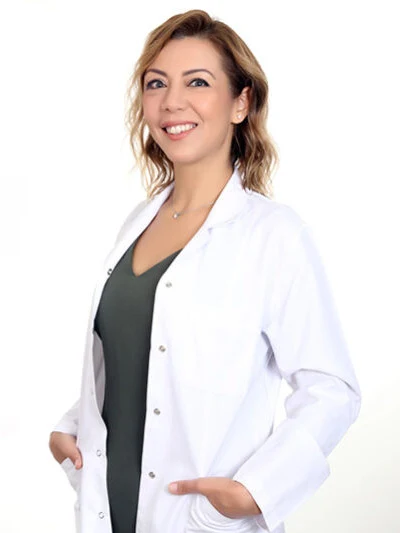
 Written by: Dr. Tuba Çelebi Kayhan, Dermatologist
Published:
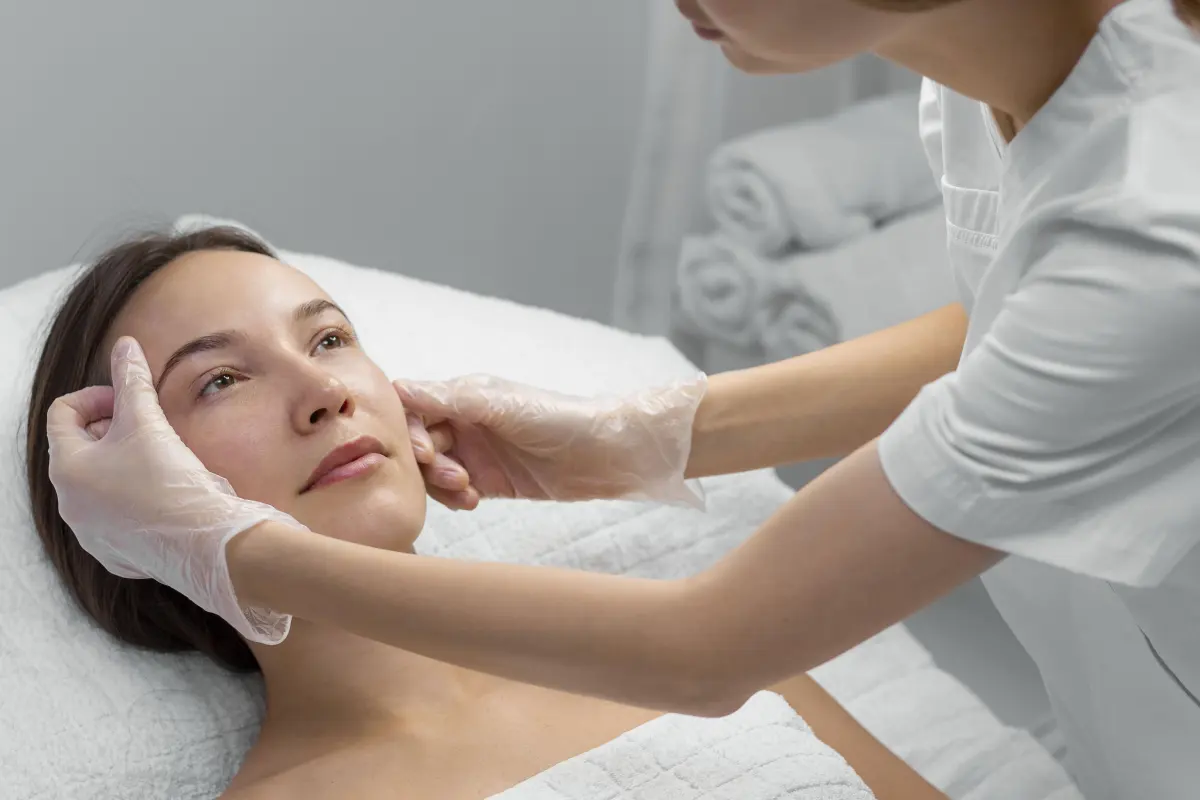
Short answer
A first dermatology appointment is a consultation in which we take your history, examine your skin, hair or nails and, if needed, plan dermoscopy, allergy testing or a biopsy. Bring a list of your medicines and come without make-up or cream. At our Denizli clinic, Dr. Tuba Çelebi Kayhan sees you and agrees the treatment plan with you.
At a glance
| Bring with you | A list of medicines and creams, previous reports |
|---|---|
| On the day | No make-up, nail varnish or cream |
| Useful evidence | A dated photo of a complaint that has settled |
| Possible tests | Dermoscopy, allergy testing, biopsy |
| Afterwards | A follow-up planned according to the diagnosis |
The value of a dermatology appointment lies in bringing together what you tell us and what we see. A rash may have calmed down by the day of the appointment, or the name of the cream you have been using may have slipped your mind. A little preparation fills these gaps and means a clear plan can come out of the very first visit.
From acne and eczema to hair loss, fungal infections and psoriasis, skin disease diagnosis and treatment in Denizli starts with the same step: a good history and a careful examination.
What Happens at a Dermatology Appointment?
The appointment starts with a conversation. We ask when your complaint began, how it has changed, what makes it worse and what you have already tried. Your general health, the medicines you take, your allergies and any skin conditions in your family are also part of this conversation.
We then examine the affected area under good light. Where a rash sits, its colour and its edges hold important clues to the diagnosis, so we sometimes look at areas beyond the one you came about. Moles and suspicious spots are examined under magnification with a dermatoscope.
At the end of the appointment we talk you through the likely diagnosis, any further tests needed and the treatment plan. This is also when we go over the details: how and for how long to apply a cream, and when a medicine can be expected to start working.
What Information Should You Prepare Before the Appointment?
The most valuable part of your preparation is a list of everything you use. We suggest noting down:
- Medicines, herbal products and vitamins you take regularly
- Creams and lotions you apply to the affected area, or have tried before
- The products in your daily skin care and hair care routine
- Reports from previous blood tests, allergy tests and biopsies
- When the complaint started and anything you think triggers it
Product names can be hard to remember; taking a photo of the front and back of the packaging is the most practical solution. The ingredients list helps us find the cause, especially in eczema that develops through contact with a substance.
Why Does It Matter to Come Without Make-Up?
Make-up, foundation and tinted creams hide the true colour and texture of the skin. If you are coming about pigmentation, redness or spots, a clean face allows an accurate examination. For the same reason, we ask you not to put cream or oil on the affected area on the morning of the appointment.
For a nail complaint, nail varnish and gel polish should be removed. If you are coming about your scalp or hair loss, not dyeing your hair just before the appointment and avoiding heavy styling products lets us see the scalp clearly.
Is It Worth Taking Photos of Your Complaint?
Very much so. Hives move around within hours, some rashes flare up and settle down, and a mole changes slowly. A photo taken when the problem is at its most visible shows us what we may not be able to see on the day.
Take the photo in daylight, without flash and from close up, and add a wider shot showing the whole area. The date of the photo is saved automatically, so we can also follow the course of the complaint together.
Which Tests Might Be Needed?
Most diagnoses are made by examination alone. When needed, we use the following tests:
- Dermoscopy: examining moles and some skin lesions with an illuminated magnifier; if you have a mole that is changing, mole checks with dermoscopy become part of the appointment.
- Allergy tests: for complaints that appear with contact or with a particular substance, skin prick and patch testing may be planned; because some medicines may need to be paused beforehand, the test day may be set separately.
- Biopsy: when the examination does not settle the diagnosis, a small sample of tissue is taken under local anaesthetic; the result of a skin biopsy comes back as a pathology report.
- Skin scrapings: when a fungal infection is suspected, a sample from the skin or nail is examined.
- Blood tests: requested for hair loss or for complaints that may be linked to an internal condition.
What Affects the Cost of a Dermatology Appointment?
The fee depends on the scope of the appointment and on any additional procedures carried out on the day. The main factors are:
- Whether the appointment is about a single complaint or a mole check covering the whole skin
- Dermoscopy or another additional examination done on the same day
- Separately planned tests such as allergy testing, a biopsy and pathology
- A treatment that is judged suitable at the appointment and done on the same day
To get an idea beforehand, briefly describe your complaint when you book; this helps us clarify what kind of appointment is being planned.
When Should You Come Back for a Follow-Up?
The timing of a follow-up depends on the diagnosis, and you are told at the end of your first appointment. With acne treatment, a few weeks are needed to see the effect of the medicine; in long-term conditions such as eczema and psoriasis, treatment is adjusted at follow-up visits. For mole checks, the interval depends on how many moles you have and your level of risk. If a biopsy was taken, we go through the result together at the follow-up.
If you notice a side effect from a medicine, a clear worsening of your complaint or a new rash before your follow-up, contact us without waiting for the appointment date. Knowing how you are responding helps us choose the right next step in treating your skin condition.
What Should You Keep in Mind When Bringing a Child?
Bring a list of the shampoos, soaps and creams your child uses, along with any medicines prescribed before. For conditions that come in flares, such as atopic eczema, photos of the bad spells are very helpful. Booking a time when your child is not sleepy or hungry helps the examination go smoothly.
Booking a Dermatology Appointment in Denizli
At your first appointment with us, we listen to your complaint and its history, examine your skin and discuss the treatment plan with you. To be seen at our clinic in Denizli, book an appointment by phone; a short description of your complaint when you call is all we need.
Frequently asked questions
Should I stop using my cream before the appointment?
Can I show more than one skin problem at the same appointment?
My rash has cleared by the day of the appointment. Should I still come?
Does my whole body need to be examined for a mole check?
Do I need a referral to see a dermatologist in Denizli?
Sources
- What is a dermatologist? — American Academy of Dermatology
- Dermoscopy — DermNet
- Patch tests — DermNet
This page is for general information only and does not replace an examination, diagnosis or treatment. Please consult your doctor for advice about your own situation.